
Certified Security Personnel Equipped with Advanced Technology
- aakadeer
- 1 day ago
- 4 min read
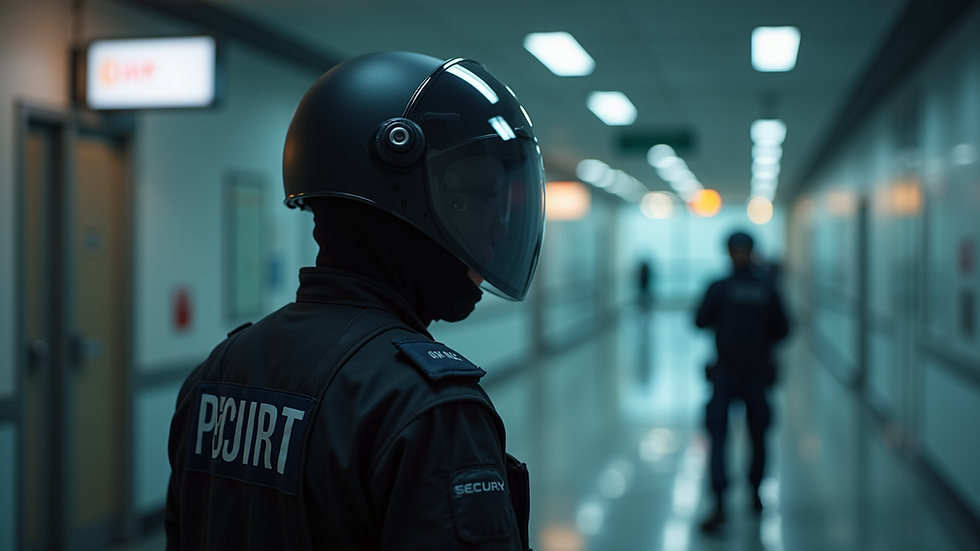
In today's world, security is more crucial than ever. With rising concerns about safety in various environments, the demand for certified security personnel has surged. These professionals are not just trained to respond to emergencies; they are now equipped with advanced technology that enhances their effectiveness. This blog post explores the role of certified security personnel, the technology they use, and how this combination is transforming the security landscape.
The Importance of Certified Security Personnel
Certified security personnel play a vital role in maintaining safety and order in various settings, including:
Public Events: Concerts, festivals, and sporting events require trained professionals to manage crowds and ensure safety.
Corporate Environments: Businesses need security to protect their assets and employees.
Residential Areas: Neighborhoods often employ security personnel to deter crime and provide peace of mind to residents.
What Makes Certification Essential?
Certification ensures that security personnel have undergone rigorous training and are knowledgeable about:
Legal Regulations: Understanding laws related to security and personal rights.
Emergency Response: Skills to handle emergencies, including medical situations and evacuations.
Conflict Resolution: Techniques to de-escalate potentially volatile situations.
Having certified personnel on-site not only enhances safety but also builds trust within the community.
Advanced Technology in Security
The integration of technology into security operations has revolutionized how personnel perform their duties. Here are some key technologies that certified security personnel utilize:
Surveillance Systems
Modern surveillance systems are more sophisticated than ever. High-definition cameras, motion detectors, and night vision capabilities allow security personnel to monitor areas effectively.
Remote Monitoring: Security personnel can now monitor feeds from anywhere, ensuring constant vigilance.
Facial Recognition: This technology helps identify individuals in real-time, enhancing security measures.
Access Control Systems
Access control systems manage who can enter specific areas, providing an additional layer of security. These systems include:
Key Card Access: Employees use key cards to enter secure areas, reducing unauthorized access.
Biometric Scanners: Fingerprint or retina scans ensure that only authorized personnel can enter sensitive locations.
Communication Tools
Effective communication is crucial in security operations. Advanced tools include:
Two-Way Radios: Allow instant communication among security personnel, ensuring rapid response to incidents.
Mobile Apps: Security personnel can receive alerts and updates in real-time, enhancing situational awareness.
The Role of Training in Technology Utilization
While technology is a powerful tool, the effectiveness of certified security personnel largely depends on their training. Here are some training aspects that enhance their ability to use technology effectively:
Technical Training
Security personnel must be trained to operate and troubleshoot various technologies. This includes:
Understanding Software: Familiarity with surveillance software and access control systems.
Equipment Handling: Proper use of cameras, alarms, and communication devices.
Scenario-Based Training
Training should include real-life scenarios where personnel can practice using technology in high-pressure situations. This prepares them to respond effectively during actual incidents.
Continuous Education
The security landscape is constantly evolving, and so is technology. Continuous education ensures that certified personnel stay updated on the latest advancements and best practices.
Case Studies: Successful Implementation of Technology in Security
Event Security
At a large music festival, certified security personnel utilized advanced surveillance systems and drones to monitor the crowd. This technology allowed them to identify potential issues before they escalated, resulting in a safe and enjoyable experience for attendees.
Corporate Security
A major corporation implemented biometric access control systems to secure their facilities. Certified security personnel were trained to manage the system, significantly reducing unauthorized access incidents and improving overall security.
Residential Security
In a gated community, certified security personnel used mobile apps to receive real-time alerts about suspicious activities. This proactive approach led to a noticeable decrease in crime rates in the area.
Challenges in Integrating Technology
While the benefits of advanced technology in security are clear, there are challenges that organizations must address:
Cost of Implementation
Investing in advanced technology can be expensive. Organizations must weigh the costs against the potential benefits to ensure a good return on investment.
Training Requirements
As technology evolves, ongoing training is essential. Organizations need to allocate resources for continuous education to keep personnel updated on new tools and techniques.
Privacy Concerns
The use of surveillance technology raises privacy issues. Organizations must navigate these concerns while ensuring the safety of individuals.
The Future of Security Personnel and Technology
The future of security personnel is undoubtedly intertwined with technology. As advancements continue, we can expect:
Increased Automation: More tasks will be automated, allowing personnel to focus on critical decision-making.
Enhanced Data Analytics: Security personnel will leverage data analytics to predict and prevent incidents.
Integration of AI: Artificial intelligence will play a significant role in monitoring and responding to security threats.
Conclusion
Certified security personnel equipped with advanced technology are essential in today's safety landscape. Their training, combined with cutting-edge tools, enhances their ability to protect people and property effectively. As technology continues to evolve, so will the role of security personnel, making it crucial for organizations to invest in both training and technology. By doing so, they can ensure a safer environment for everyone.
As you consider your security needs, think about the benefits of having certified personnel who are not only trained but also equipped with the latest technology. This combination is key to creating a secure and safe environment in any setting.


Comments